
Vitor Roque Stats: Complete Career Analysis, Performance Breakdown & Future Potential

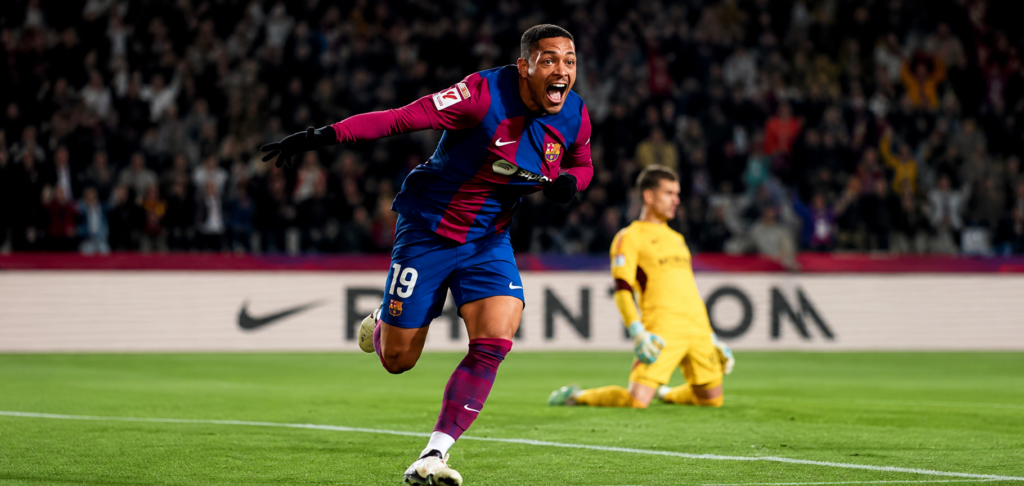
Few young strikers have generated as much excitement in recent years as Vitor Roque. From his rapid rise in Brazilian football to his move to Europe and eventual return to Brazil, his career has been closely watched by scouts, analysts, and supporters alike. Looking beyond headlines, vitor roque stats provide valuable insight into his strengths, development, and long-term potential.
Numbers alone never tell the entire story, but they reveal patterns that help explain why clubs continue to invest heavily in the Brazilian forward. By combining statistical performance with tactical context, it becomes easier to understand where he excels, which areas remain under development, and what his future may hold.
Why Vitor Roque Stats Matter to Modern Football Analysis
Modern football evaluation extends well beyond goals scored. Clubs increasingly examine expected goals, pressing actions, shot quality, movement, and chance creation to assess attacking players. This broader perspective makes vitor roque stats especially valuable because they showcase much more than simple finishing ability.
Roque developed a reputation for explosive acceleration, aggressive pressing, and intelligent movement inside the penalty area. His statistical profile consistently reflects these qualities, making him attractive to coaches who prioritize high-intensity attacking football as much as goal production.
Career Journey Through the Numbers
Roque began attracting attention while playing in Brazil, where his impressive scoring rate quickly established him among the country’s brightest teenage talents. Strong domestic performances earned him a high-profile transfer to Barcelona before later continuing his development with Real Betis and eventually Palmeiras, where he has rebuilt momentum through consistent performances.
Each stage of his career has added new layers to his development. Early Brazilian competitions highlighted his finishing instincts, while European football challenged his tactical awareness, physical adaptation, and consistency against elite defenders.
| Career Stage | Primary Development | Statistical Takeaway | Long-Term Impact |
|---|---|---|---|
| Youth Football | Technical foundation | High scoring efficiency | Established elite potential |
| Brazilian First Division | First-team breakthrough | Increasing goals and minutes | Built transfer value |
| Barcelona | Tactical adaptation | Limited opportunities | Valuable learning experience |
| Real Betis | Regular competitive football | Improved match rhythm | Increased maturity |
| Palmeiras | Career resurgence | Strong goal contributions | Renewed confidence and consistency |
Breaking Down His Goal Scoring Profile
One of the strongest aspects of vitor roque stats is his efficiency inside the penalty area. Rather than relying on spectacular long-range efforts, he consistently positions himself in dangerous scoring zones where chances carry a higher probability of success.
His movement deserves equal recognition. Roque frequently attacks spaces behind defensive lines, anticipates rebounds, and times runs well during transitions. These habits create high-quality scoring opportunities without requiring excessive touches on the ball.
Beyond Goals: The Complete Attacking Contribution
Modern forwards contribute far more than finishing, and Roque demonstrates this through his pressing intensity, defensive work rate, and willingness to initiate attacks immediately after possession changes. Coaches increasingly value these contributions because they influence overall team performance.
Looking deeper into vitor roque stats, assists, progressive runs, successful dribbles, and pressing actions illustrate a forward capable of influencing matches even when he does not score. These complementary metrics often separate complete attackers from traditional penalty-box finishers.
“Statistics are the beginning of football analysis—not the end. Context transforms numbers into understanding.”
Comparing His Playing Style with Elite Young Forwards
Roque is often compared with other emerging South American and European attackers because of his age, mobility, and aggressive style. While every player develops differently, similarities appear in his relentless pressing, vertical runs, and willingness to challenge defenders directly.
Unlike taller target forwards who rely primarily on aerial dominance, Roque combines quick acceleration with low-center-of-gravity balance. His profile resembles modern pressing forwards who create value through constant movement rather than static positioning.
Tactical Strengths Revealed by the Numbers
Advanced analytics show that Roque performs best in systems emphasizing quick transitions and aggressive attacking football. His acceleration allows him to exploit defensive gaps before opponents fully reorganize, increasing the quality of chances he receives.
Another notable characteristic within vitor roque stats is his effectiveness during fast counterattacks. Because he naturally attacks open space, teams that play vertically often maximize his strengths more effectively than slower possession-heavy systems.
Areas Where Statistical Growth Is Still Possible
Every young player has room for improvement, and Roque is no exception. Decision-making in crowded attacking situations, passing consistency under pressure, and overall chance creation remain areas where further development could significantly increase his overall influence.
Consistency across an entire season also remains an important benchmark. Elite forwards separate themselves not only through exceptional peaks but by maintaining high performance across domestic leagues, continental competitions, and international appearances.
Palmeiras and the Return to Confidence
Returning to Brazilian football provided Roque with regular minutes and an environment that suited his aggressive attacking instincts. His performances with Palmeiras have demonstrated renewed confidence, reflected through increased goal involvement and improved attacking rhythm. Recent league campaigns have featured double-digit goals, strong appearances, and consistent offensive contributions.
Regular playing time has also allowed him to refine decision-making while rebuilding confidence after a challenging European period. This combination of experience and maturity could become essential if another major European opportunity arises.
What Scouts See Beyond the Raw Numbers
Professional scouts rarely judge players solely by goals. They evaluate movement without possession, pressing intelligence, adaptability, mentality, and how efficiently players execute tactical instructions under pressure.
That is where vitor roque stats become particularly meaningful. Statistical production aligns with visible qualities such as work rate, explosive acceleration, competitive mentality, and positional intelligence, creating a balanced profile that continues attracting attention across global football.
Future Projections Based on Performance Trends
At only 21 years old, Roque remains in the early stages of his professional career. Most elite strikers reach peak performance between their mid-twenties and late twenties, suggesting substantial room for continued development. His recent performances indicate renewed progress after overcoming early adaptation challenges.
If his finishing continues improving while his creative contribution expands, analysts expect his market value and international importance to increase considerably. Continued consistency may also strengthen his role within Brazil’s national team setup.
Common Misconceptions About His Statistics
One misconception is that Roque struggled simply because his European goal totals were modest. Context matters, as limited playing time, tactical adjustments, and adaptation to a new league all influence production beyond raw scoring numbers.
Another misunderstanding is assuming statistics from different leagues are directly comparable. Competition level, tactical style, teammate quality, and coaching philosophy all affect attacking output, making contextual interpretation essential when evaluating vitor roque stats.
Conclusion
Examining vitor roque stats reveals a player whose value extends beyond simple goal totals. His pressing intensity, intelligent movement, finishing instincts, and continuous development illustrate why he remains one of Brazil’s most promising young forwards.
As his career progresses, statistical trends will continue evolving alongside his tactical maturity. For supporters, analysts, fantasy football managers, and scouts alike, following vitor roque stats offers one of the clearest ways to measure the ongoing growth of a striker with significant long-term potential.
FAQ
What do vitor roque stats show about his finishing ability?
The numbers consistently highlight efficient finishing inside the penalty area, strong positioning, and an ability to convert high-quality scoring opportunities.
Why are vitor roque stats important for scouts?
Scouts evaluate much more than goals, including pressing, movement, chance creation, and tactical intelligence, all of which appear within modern statistical analysis.
Which club has produced the strongest vitor roque stats?
His most productive periods have generally come during regular first-team football in Brazil, particularly after returning to Palmeiras, where consistent minutes improved his overall output.
Do vitor roque stats predict future success in Europe?
Statistics cannot guarantee future success, but they indicate a player with physical qualities, work rate, and finishing ability that remain attractive to elite European clubs.
How often should vitor roque stats be updated?
Performance metrics should ideally be reviewed after every competitive match and analyzed over longer periods to identify meaningful trends rather than isolated performances.
Read More: Geovany Quenda Stats: Complete Performance Analysis, Career Growth, Playing Style & Future Potential