Writing Camping: The Complete Guide to Finding Inspiration in the Outdoors

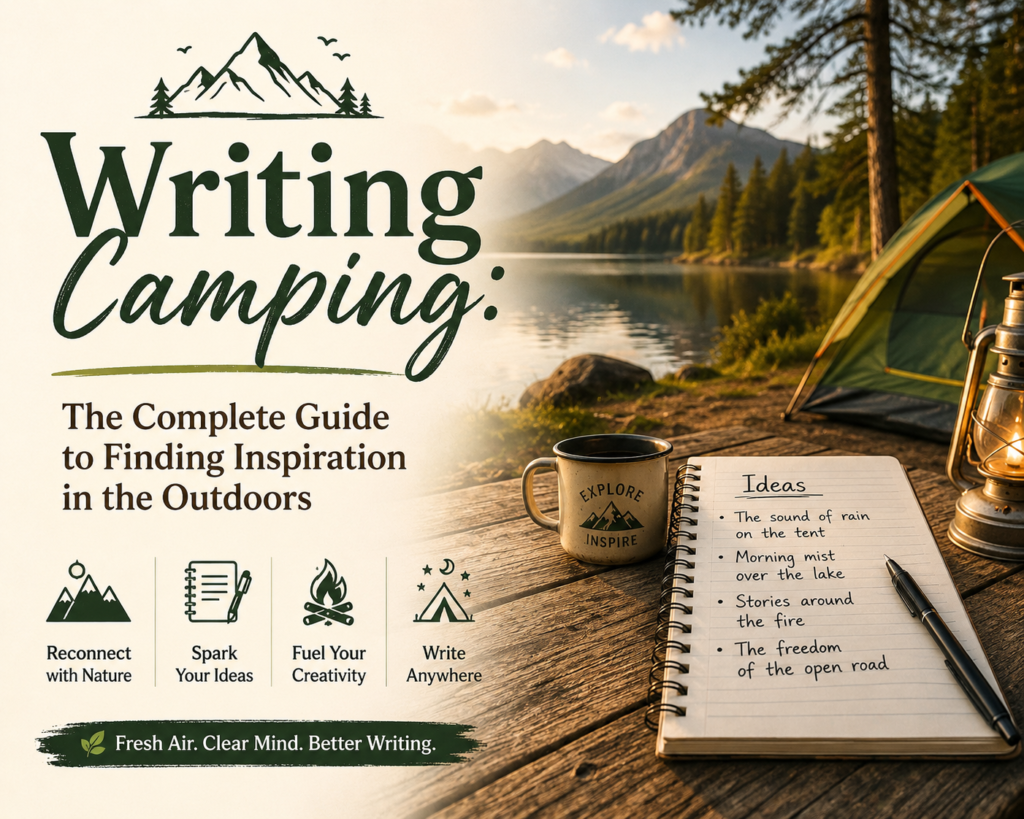
Writing camping combines the creativity of writing with the peaceful atmosphere of nature. Whether you are a novelist, blogger, poet, journalist, or student, stepping away from daily distractions and writing in the outdoors can unlock fresh ideas and improve concentration. More writers are embracing this practice because it encourages mindfulness, reduces stress, and creates an environment where inspiration flows naturally.
Why Writing Camping Is Becoming More Popular
Writing camping offers a refreshing alternative to working indoors. Natural surroundings help many writers disconnect from digital distractions while reconnecting with their imagination. The sounds of birds, flowing water, and rustling trees create a calming backdrop that supports deep thinking.
As remote work and flexible lifestyles continue to grow, writers are discovering that outdoor environments can significantly improve creativity and productivity. Instead of viewing camping as only a recreational activity, many now see it as a valuable creative retreat.
Benefits of Writing in Nature
Research has consistently shown that spending time outdoors can improve mood, reduce stress, and enhance cognitive performance. These benefits directly support better writing by encouraging clearer thinking and stronger focus.
Writing camping also provides endless sources of inspiration. Landscapes, wildlife, changing weather, and conversations with fellow campers can all become material for stories, poems, travel journals, or personal reflections.
Essential Gear for Writing Camping
Successful writing camping starts with proper preparation. A lightweight notebook, reliable pens, weather-resistant backpack, portable chair, water bottle, and power bank are practical essentials. If you prefer digital writing, a laptop or tablet with long battery life can be invaluable.
Comfort matters just as much as equipment. Choosing suitable clothing, a quality tent, proper lighting, and weather protection allows you to stay focused on writing instead of dealing with unnecessary discomfort.
| Item | Purpose | Recommended Benefit |
|---|---|---|
| Notebook | Draft ideas anywhere | Never depends on battery |
| Laptop | Long-form writing | Easy editing and organization |
| Portable Power Bank | Charge devices | Extends writing sessions |
| Camping Chair | Comfortable seating | Better posture and focus |
| Headlamp | Evening writing | Hands-free lighting |
| Water Bottle | Hydration | Maintains concentration |
Choosing the Right Location
The best writing camping locations balance natural beauty with practical convenience. National parks, lakesides, forests, mountain viewpoints, and quiet campgrounds all provide excellent creative settings while remaining safe and accessible.
Consider factors such as weather, available facilities, noise levels, and internet access before selecting your destination. Some writers prefer complete isolation, while others enjoy campgrounds with basic amenities.
Creating a Productive Writing Routine
A simple routine helps transform outdoor inspiration into meaningful progress. Many writers begin early in the morning when nature is quiet and distractions are minimal. Setting realistic daily writing goals prevents burnout while maintaining momentum.
Break your sessions into manageable blocks with regular walks, meals, and rest periods. These natural breaks often lead to unexpected ideas and renewed creative energy.
” Nature is not a place to visit. It is home.” — Gary Snyder
This perspective reminds writers that creativity often grows strongest when they immerse themselves in the natural world instead of merely observing it from a distance.
Common Challenges and How to Overcome Them
Weather, insects, battery limitations, and unpredictable conditions can interrupt writing camping sessions. Preparing for these challenges with backup supplies and flexible plans helps maintain productivity throughout the trip.
Another common obstacle is expecting instant inspiration. While nature encourages creativity, meaningful writing still requires discipline, consistency, and patience. The environment supports the process, but the writer must do the work.
Writing Camping for Different Types of Writers
Novelists often use writing camping to develop immersive settings and believable characters inspired by real landscapes. Poets benefit from sensory experiences that strengthen imagery and emotional expression.
Content creators, bloggers, journalists, and travel writers also gain authentic material through firsthand outdoor experiences. Even students can improve essays and reflective writing by spending focused time in nature.
Conclusion
Writing camping is much more than taking a notebook into the woods. It is a deliberate practice that combines creativity, mindfulness, and exploration to produce stronger ideas and more meaningful writing. By preparing properly, selecting the right location, and following a consistent routine, writers of every skill level can benefit from the unique inspiration that nature provides.
Whether your goal is finishing a novel, building a blog, writing poetry, or simply enjoying a peaceful creative escape, writing camping offers an effective way to improve both your craft and your connection with the outdoors.
FAQ
What is writing camping?
Writing camping is the practice of combining camping with dedicated writing sessions to improve creativity, focus, and inspiration in natural surroundings.
Is writing camping suitable for beginners?
Yes. Writing camping works well for beginners because it encourages distraction-free writing and helps build a consistent creative habit.
What should I bring for writing camping?
Bring a notebook, pens, laptop if needed, portable charger, comfortable chair, weather-appropriate clothing, water, and camping essentials.
Can writing camping improve productivity?
Many writers find that writing camping reduces distractions, improves concentration, and encourages longer periods of focused work.
Where is the best place for writing camping?
Quiet forests, lakesides, mountain campsites, and peaceful campgrounds are all excellent locations, provided they are safe, comfortable, and suitable for extended writing sessions.
Read More: Weeb Central: The Complete Guide to the Ultimate Anime Community Hub