Artistic Beach: The Ultimate Guide to Coastal Creativity, Design Inspiration, and Seaside Beauty

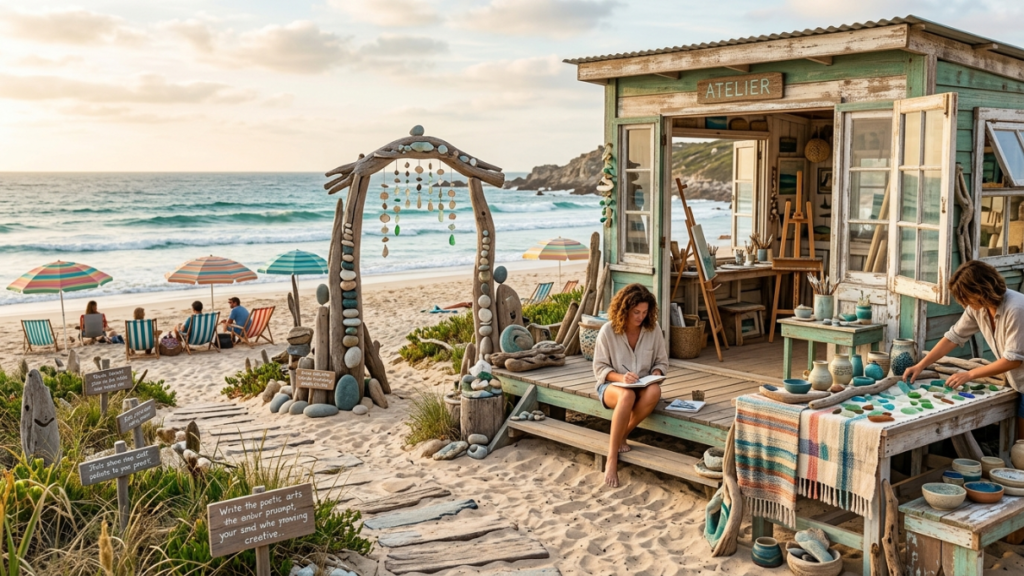
The shoreline has always inspired artists, designers, photographers, and travelers. An artistic beach is more than a beautiful destination—it is a place where nature, creativity, culture, and personal expression meet. From colorful sunsets reflected on wet sand to handcrafted sculptures created from driftwood, these coastal environments inspire imagination while encouraging people to appreciate natural beauty from a fresh perspective.
Whether you are planning a creative getaway, designing a coastal-themed space, improving your photography skills, or simply exploring the growing appeal of artistic coastal destinations, understanding what makes an artistic beach unique opens the door to endless inspiration. This comprehensive guide explores its defining characteristics, creative opportunities, design principles, cultural significance, and practical ways to experience these remarkable seaside environments.
What Defines an Artistic Beach?
An artistic beach combines natural coastal beauty with creative expression. Unlike an ordinary shoreline, these beaches become living canvases where landscapes, architecture, sculptures, murals, installations, and local craftsmanship blend into a memorable visual experience. Every element contributes to an atmosphere that encourages observation, creativity, and emotional connection.
The concept extends beyond permanent artwork. Seasonal festivals, sand sculpture competitions, outdoor galleries, painted lifeguard towers, and eco-friendly installations all contribute to making a beach artistically distinctive. Visitors become active participants by photographing landscapes, sketching scenery, collecting inspiration, or simply appreciating thoughtfully preserved natural surroundings.
Why Artistic Beaches Inspire Creativity
Creative environments naturally stimulate the mind, and coastal settings provide countless visual elements that encourage artistic thinking. The changing colors of the sky, rhythmic waves, textured sand, seashell patterns, weathered rocks, and shifting light conditions create compositions that constantly evolve throughout the day.
Psychologists often associate natural environments with improved creative thinking because they reduce mental fatigue while increasing focus and curiosity. An artistic beach offers both sensory richness and peaceful surroundings, making it an ideal location for painters, writers, photographers, architects, musicians, and designers seeking fresh ideas.
Natural Elements That Create Artistic Beauty
Nature is the first artist at every coastline. Wind shapes dunes, tides sculpt shorelines, waves polish stones, and sunlight transforms familiar landscapes into extraordinary scenes. These naturally occurring designs demonstrate balance, contrast, rhythm, and texture without human intervention.
Observing these elements helps artists understand composition in its purest form. Patterns in shells, reflections across tidal pools, and the movement of sea grass all demonstrate how simplicity often creates the strongest visual impact. Many professionals studying landscape design and environmental art regularly reference these coastal patterns for inspiration.
Coastal Art Forms Found at Artistic Beaches
Creative beaches showcase many artistic disciplines that celebrate the relationship between people and the ocean. Sand sculpting remains one of the most recognizable expressions, yet artistic experiences extend far beyond temporary sculptures built on the shoreline.
Visitors frequently discover driftwood installations, mosaic walkways, painted boats, community murals, glass art inspired by marine life, handmade ceramics, photography exhibitions, and open-air performance spaces. These diverse creative expressions strengthen local identity while encouraging visitors to appreciate both contemporary and traditional artistic traditions.
Photography Opportunities Along an Artistic Beach
Photography thrives in coastal environments because lighting changes continuously. Early morning provides soft illumination with subtle pastel tones, while sunset creates dramatic golden reflections across the water. Even overcast conditions produce balanced light ideal for detailed landscape photography.
Successful photographers often revisit the same artistic beach multiple times because each tide, season, and weather pattern creates an entirely different composition. Patience becomes as important as technical skill, allowing photographers to capture moments that feel authentic rather than staged.
Interior Design Inspired by Artistic Beaches
Coastal design has evolved far beyond simple nautical themes. Modern interiors inspired by an artistic beach emphasize organic textures, handcrafted décor, natural wood, soft neutral palettes, woven materials, and artwork that reflects local coastal culture instead of generic seaside decorations.
Rather than overwhelming a room with beach-themed accessories, successful designers focus on balance and authenticity. Carefully selected ceramics, abstract ocean paintings, reclaimed wood furniture, textured fabrics, and sustainable materials create elegant spaces that evoke coastal creativity without appearing overly decorative.
Sustainable Creativity and Coastal Conservation
Environmental responsibility plays an increasingly important role in preserving creative coastal spaces. Many communities encourage artists to use recycled materials, reclaimed wood, biodegradable supplies, and environmentally conscious installation methods that minimize ecological impact.
Protecting fragile ecosystems ensures future generations can continue experiencing the inspiration that defines an artistic beach. Responsible tourism, organized beach cleanups, educational programs, and conservation partnerships demonstrate that artistic expression and environmental stewardship can successfully coexist.
The Cultural Importance of Artistic Beaches
Throughout history, coastal communities have influenced artistic traditions through storytelling, craftsmanship, music, architecture, and maritime heritage. Many seaside towns celebrate these traditions with festivals that connect visitors to generations of local creativity.
These cultural experiences provide deeper meaning than sightseeing alone. Local artists often incorporate regional history, fishing traditions, indigenous influences, and environmental themes into their work, transforming an artistic beach into both a creative destination and a living cultural archive.
Trends Shaping Modern Artistic Beach Experiences
Digital creativity has expanded the ways people experience coastal environments. Drone photography, immersive installations, projection art, interactive sculptures, and augmented reality exhibitions now complement traditional artistic practices while attracting broader audiences.
At the same time, travelers increasingly seek authentic experiences instead of manufactured attractions. This shift has encouraged communities to invest in local artists, sustainable design, public art initiatives, and educational workshops that strengthen both tourism and cultural preservation.
Practical Ways to Experience an Artistic Beach
Experiencing an artistic beach begins with slowing down and observing details that many visitors overlook. Sketching landscapes, practicing mindful photography, attending local workshops, exploring artisan markets, and participating in community art events all create meaningful connections with the surrounding environment.
Simple habits also enhance the experience. Visiting during sunrise, respecting protected habitats, supporting local creators, carrying reusable supplies, and documenting personal creative observations allow visitors to contribute positively while gaining lasting inspiration from every coastal visit.
Artistic Beach Comparison Table
| Feature | Traditional Beach | Artistic Beach |
|---|---|---|
| Primary Focus | Recreation and relaxation | Creativity, culture, and natural beauty |
| Visual Appeal | Scenic landscapes | Scenic landscapes combined with artistic expression |
| Public Art | Limited | Murals, sculptures, installations, galleries |
| Photography Potential | High | Exceptional due to artistic features |
| Cultural Experiences | Occasional | Frequent festivals, exhibitions, artisan markets |
| Sustainability Focus | Varies | Often emphasizes conservation and eco-friendly initiatives |
| Visitor Activities | Swimming, sunbathing | Photography, sketching, workshops, cultural exploration |
| Overall Experience | Leisure-oriented | Immersive, creative, and educational |
Common Misconceptions About Artistic Beaches
Some people assume an artistic beach must contain large sculptures or expensive public art to deserve its reputation. In reality, artistic value often comes from thoughtful design, cultural authenticity, natural composition, and community involvement rather than monumental installations.
Another misconception is that only professional artists benefit from these environments. Creative inspiration belongs to everyone. Families, students, hobby photographers, travelers, and nature enthusiasts often discover fresh perspectives simply by engaging more intentionally with coastal surroundings.
“Art enables us to find ourselves and lose ourselves at the same time.” — Thomas Merton
Conclusion
An artistic beach represents the perfect meeting point between creativity, culture, environmental awareness, and natural beauty. These destinations encourage people to see familiar landscapes differently while appreciating the relationship between artistic expression and coastal preservation.
Whether your interest lies in photography, design, painting, architecture, travel, or sustainable living, visiting an artistic beach offers more than scenic views. It provides inspiration that continues long after the waves disappear from sight, reminding us that creativity often begins by paying closer attention to the world around us.
FAQ
What is an artistic beach?
An artistic beach is a coastal destination where natural scenery combines with creative elements such as public art, cultural installations, local craftsmanship, photography opportunities, and artistic community activities.
Why do photographers love an artistic beach?
The constantly changing light, textures, reflections, weather conditions, and creative surroundings make an artistic beach ideal for capturing unique and visually compelling images.
Can anyone enjoy an artistic beach?
Yes. You do not need artistic training to appreciate an artistic beach. Visitors of all ages can enjoy its scenery, cultural experiences, local art, and peaceful atmosphere.
How does an artistic beach support sustainability?
Many artistic beach communities encourage environmentally responsible tourism, recycled art, conservation projects, eco-friendly materials, and educational programs that protect coastal ecosystems.
What should I bring when visiting an artistic beach?
A camera, sketchbook, reusable water bottle, comfortable walking shoes, sunscreen, and an open mind will help you fully experience the creative atmosphere of an artistic beach while respecting the natural environment.
Read More: Suite 136: The Complete Guide to Meaning, Uses, Benefits, and Business Value